
Over-permissioned access
Agents often inherit broad access through API keys, OAuth tokens, service accounts, or user sessions that were not designed for autonomous tool use.
AI agent governance
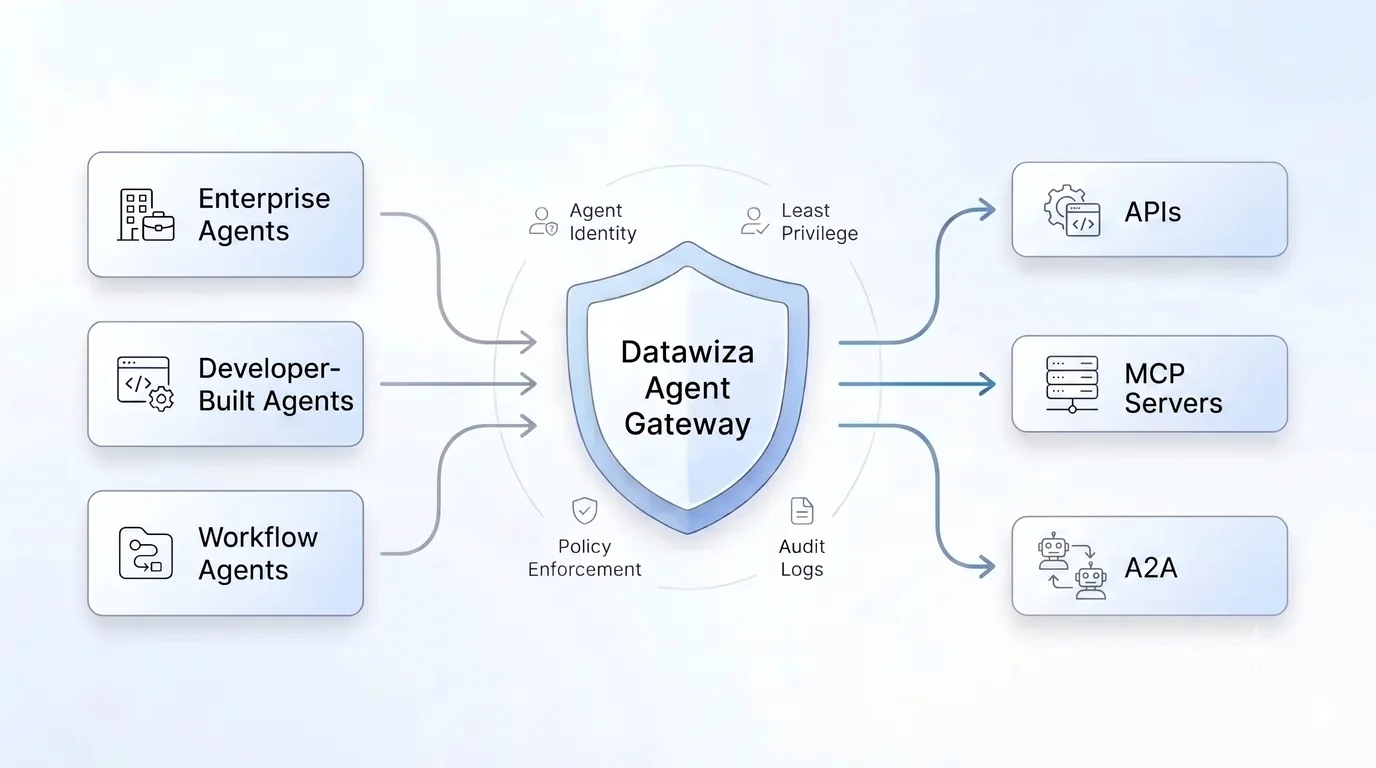
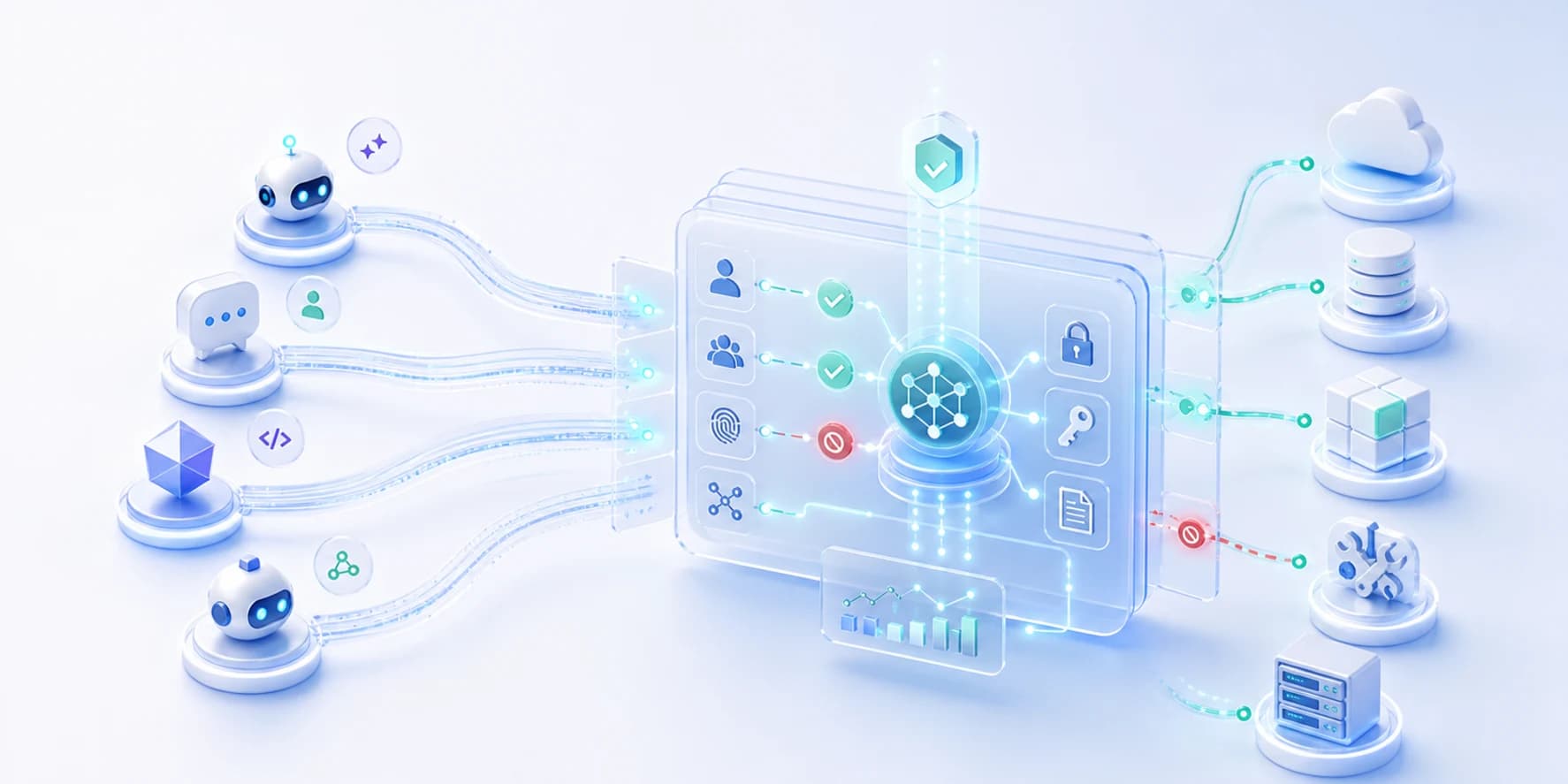
Datawiza Agent Gateway enforces zero-trust, identity-aware, least-privilege controls across agent access to MCP servers, APIs, SaaS applications, internal tools, and other agents before risky actions execute.










Security gap
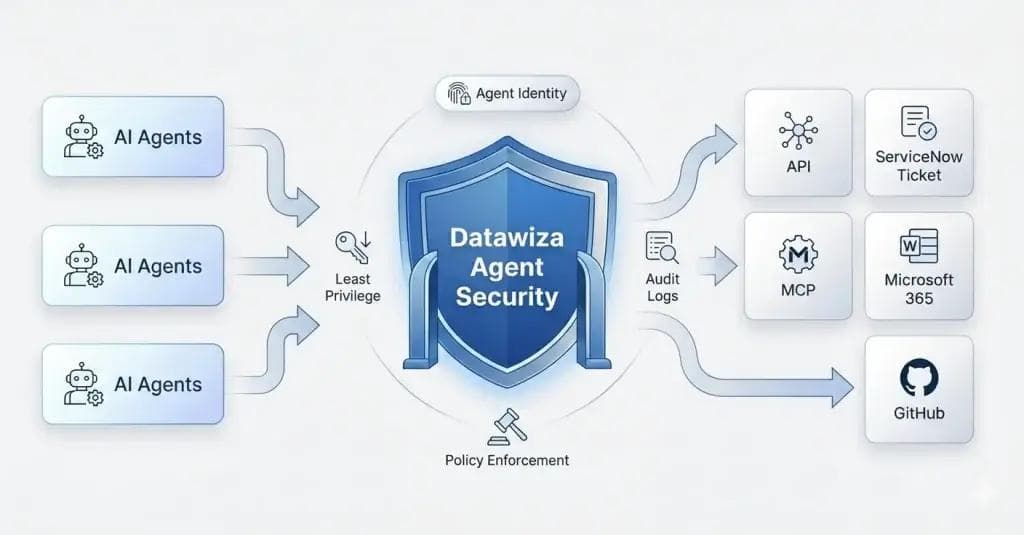
AI agents can query data, update tickets, call APIs, run MCP tools, change repositories, and trigger business workflows. That creates a new access layer that needs identity, least privilege, credential protection, approvals, and audit before actions reach sensitive systems.
Agents often inherit broad access through API keys, OAuth tokens, service accounts, or user sessions that were not designed for autonomous tool use.
One agent workflow can cross SaaS apps, MCP servers, internal APIs, and databases, but each system may enforce policy differently.
Security teams need to know which user or agent called which tool, what policy matched, and whether the action was allowed, denied, or approved.
Agent Gateway
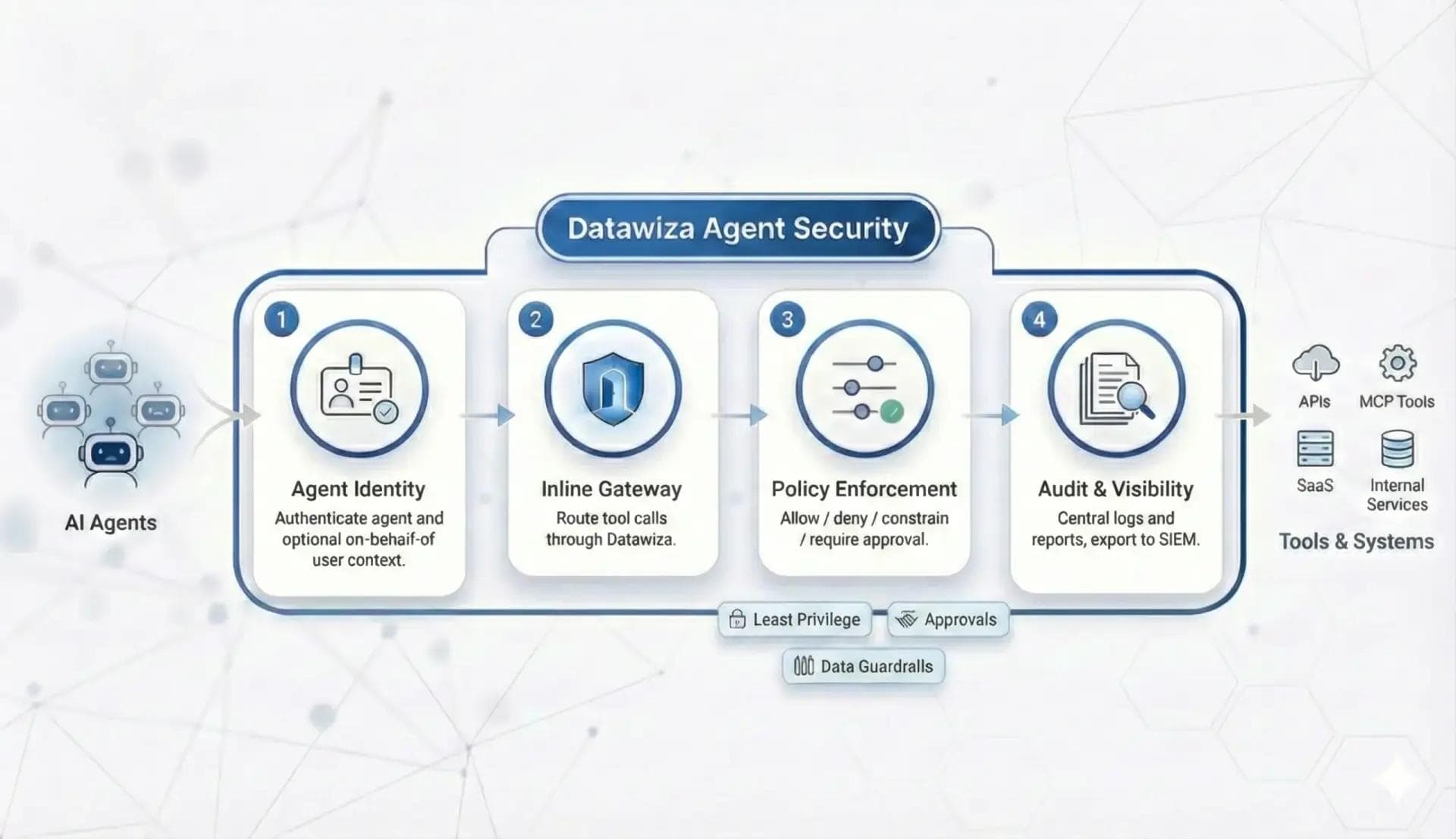
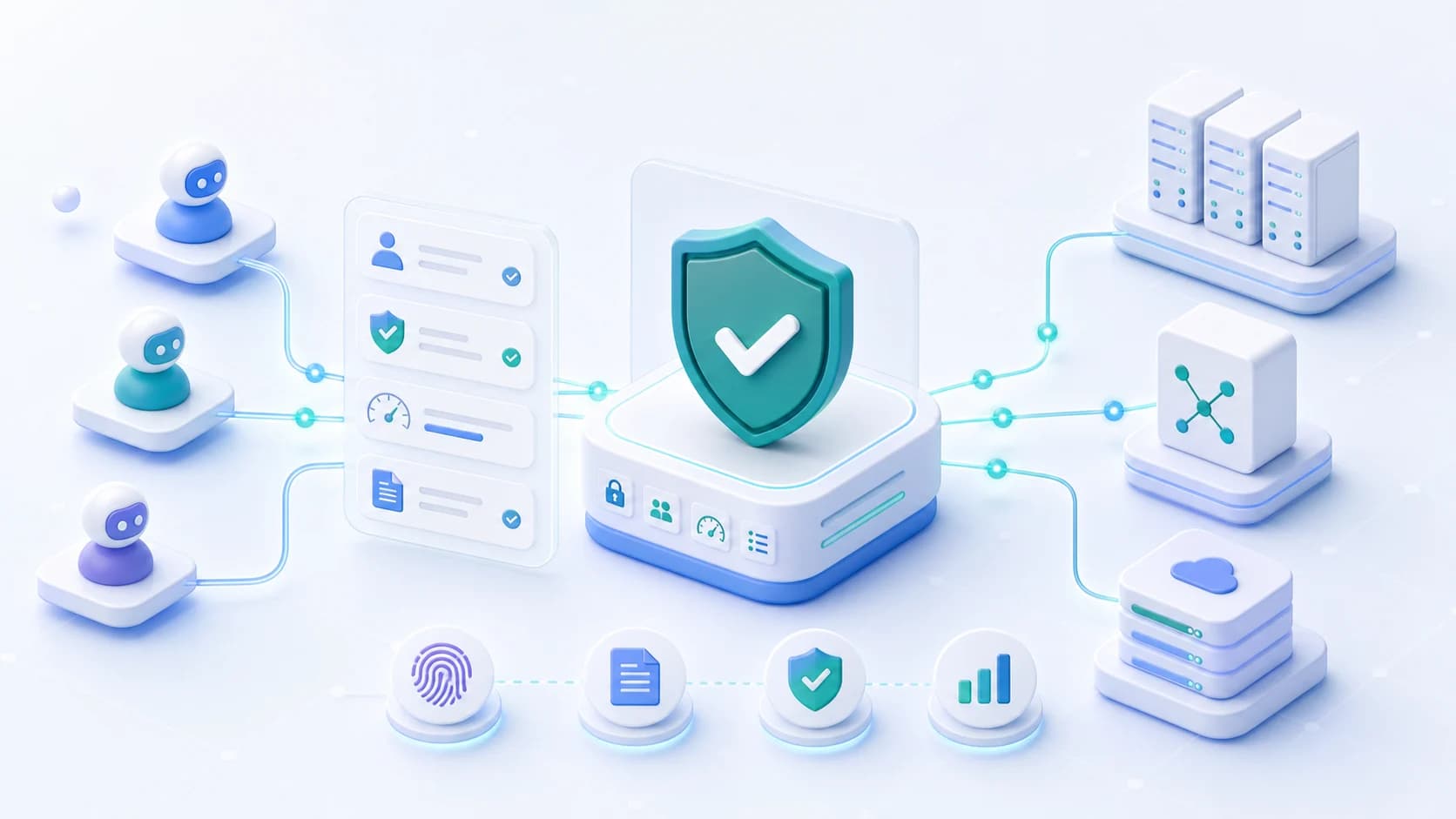
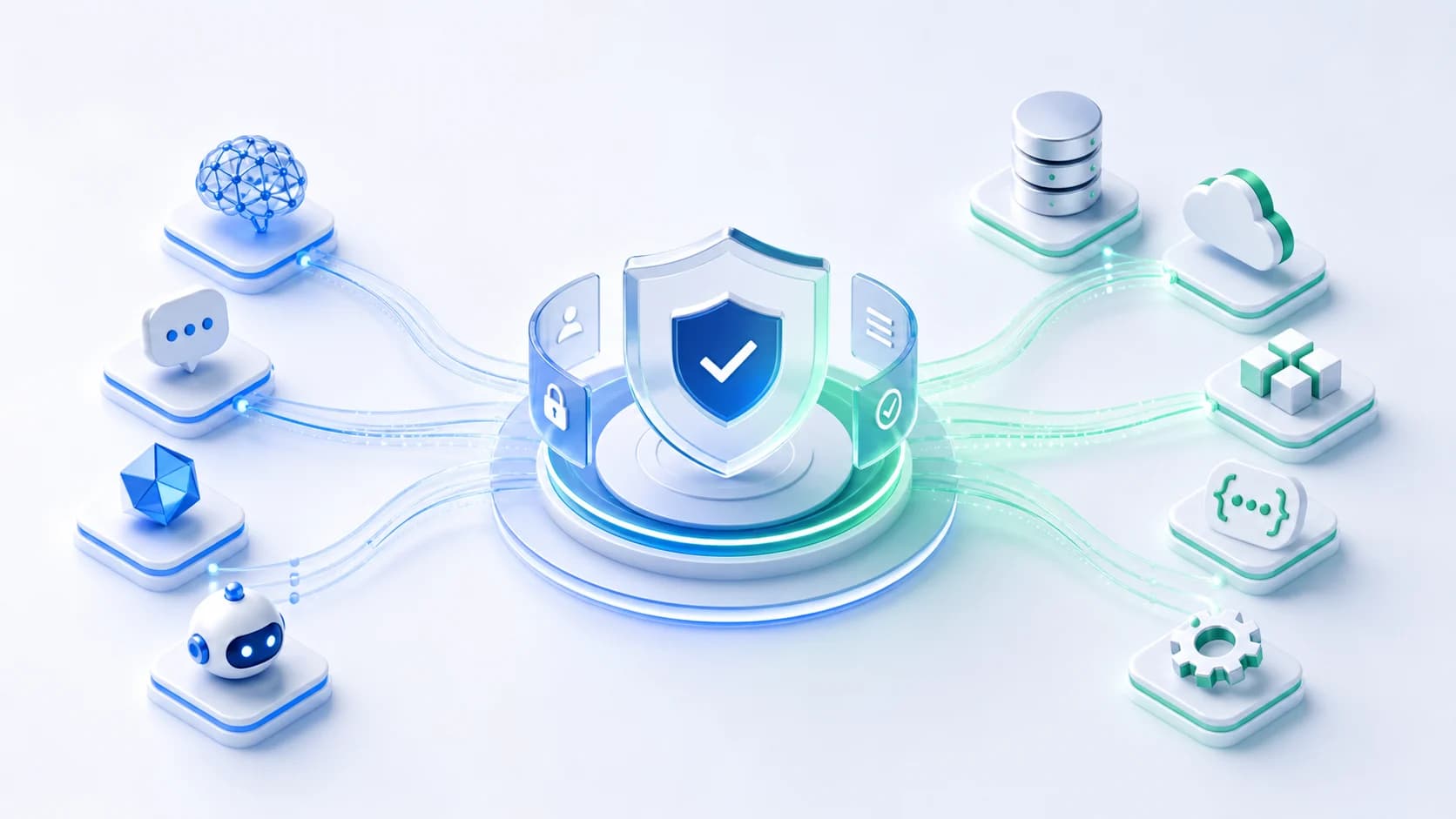
Datawiza Agent Gateway sits between AI agents and the tools they access. It validates identity, evaluates policy, protects credentials, and records each decision before agent actions reach APIs, MCP servers, SaaS apps, or internal systems.
Tie agent activity to real users, groups, owners, sessions, environments, and enterprise identity context.
Control which agents can use which tools and actions across MCP servers, APIs, SaaS apps, and internal systems.
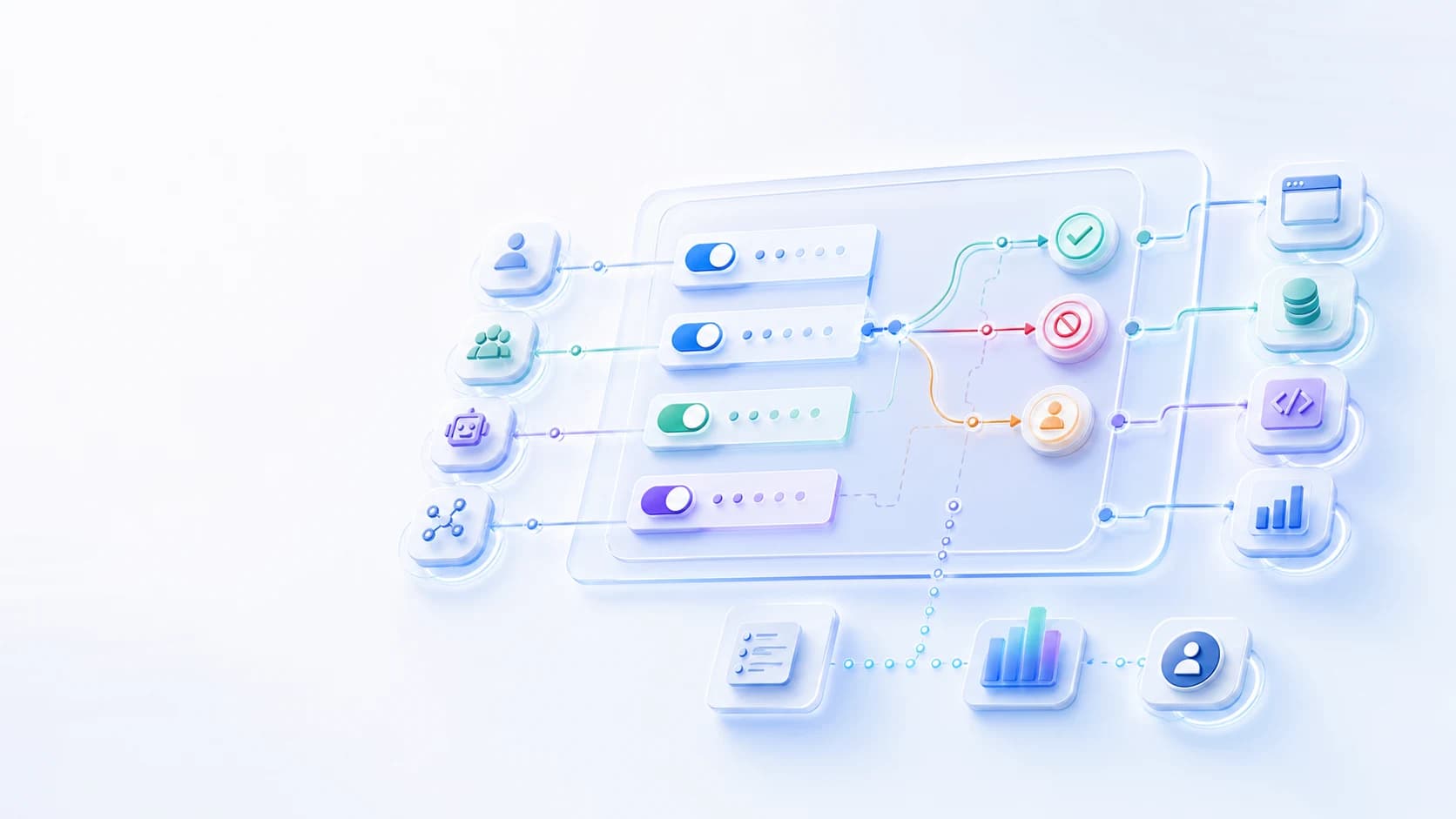
Allow, deny, constrain, or route agent actions for approval before they touch production data or workflows.
Keep downstream tokens, API keys, and secrets out of agent runtimes with gateway-based credential protection.
Require review for bulk exports, destructive updates, privileged changes, or other high-risk actions.
Send searchable records with identity, tool, action, policy decision, and outcome to your security and compliance workflows.
Coverage
Use one gateway pattern to secure agent access across the systems enterprises actually care about: MCP servers, APIs, SaaS apps, data platforms, internal tools, and other agents.
Put policy, credential protection, and audit in front of internal and SaaS MCP servers used by AI agents.
Apply identity-aware policies to REST APIs, internal services, automation endpoints, and custom business systems.
Govern agent actions in Salesforce, ServiceNow, Jira, GitHub, Microsoft 365, Databricks, Snowflake, and similar platforms.
Govern which agents may collaborate, which skills they may invoke, how authority is delegated, and how the interaction is audited.
Deploy in your cloud, on-premises, hybrid environments, or with a Datawiza-hosted service.
Controls
The goal is not to block every agent. The goal is to make agent access explicit, least-privilege, observable, and reviewable when the action is sensitive.
Validate enterprise identity claims from Microsoft Entra ID, Okta, Ping, AWS IAM, or another OAuth/OIDC provider.
Allow tools by group, agent, environment, workflow, or risk level instead of relying on broad static credentials.
Require human review for production changes, destructive writes, privileged actions, or sensitive exports.
Reduce exposure of tokens, secrets, and sensitive data in agent runtimes and tool responses where appropriate.
Create decision logs with user, agent, tool, action, policy, and outcome for security reviews and investigations.
Workflow
Use cases
Control which agents and users can call MCP tools that expose enterprise data, APIs, and workflows.
Allow safe ServiceNow and Jira updates while adding approvals for sensitive changes and better traceability.
Add guardrails for GitHub, CI/CD, repo changes, and production-impacting actions.
Apply least-privilege guardrails and auditing to agent-initiated Salesforce, Microsoft 365, SAP, Oracle, or data-platform workflows.
Enforce consistent policy and auditing across internal APIs, proprietary tools, and custom automation endpoints.
Comparison
Direct MCP connectivity
Agents connect directly to tools and APIs
With Datawiza Agent Gateway
Direct MCP connectivity
Broad tokens, shared credentials, or tool-specific permissions
With Datawiza Agent Gateway
Direct MCP connectivity
Secrets and downstream tokens can spread across agent runtimes
With Datawiza Agent Gateway
Direct MCP connectivity
Risky writes, exports, and admin actions may run automatically
With Datawiza Agent Gateway
Direct MCP connectivity
Logs are fragmented across agents, apps, APIs, and MCP servers
With Datawiza Agent Gateway
Why Datawiza
Enforce controls where tool execution happens, before risky actions reach production systems.
Tie agent activity back to real identities, owners, sessions, policies, and environments.
Capture decision records that security, compliance, and incident response teams can actually use.
FAQ
AI agent security is the set of controls that governs what agents can access and do across tools, APIs, MCP servers, SaaS apps, and internal systems. It includes identity, authorization, credential protection, approvals, rate limits, and audit logs.
Traditional app and API security often assumes a human or service is making predictable requests. AI agents can chain tool calls, act across systems, and trigger workflows, so security needs to evaluate the user, group, agent, tool, action, environment, and risk before execution.
Yes. Datawiza can validate identity context from Microsoft Entra ID, Okta, Ping, AWS IAM, or another OAuth/OIDC provider, then apply policy before agent actions reach sensitive tools.
Yes. Datawiza Agent Gateway can enforce controls for MCP servers, REST APIs, SaaS applications, internal services, and custom enterprise tools.
In common deployments, you route agent traffic or tool calls through Datawiza as an inline gateway. That lets you add policy, credential protection, and audit without rebuilding every downstream tool.
Policies can allow, deny, constrain, rate-limit, broker credentials, or route actions for approval based on identity, group, agent, environment, tool, action, and risk level.
Move from agent-security concepts into the product, gateway, and access-control pages that support production rollouts.

Sign up to secure your AI agents and critical enterprise apps